Vasa vs Other Shipwrecks - Why This Preservation Story Is Unique
A comparative guide explaining why Vasa's preservation context and museum interpretation stand apart.
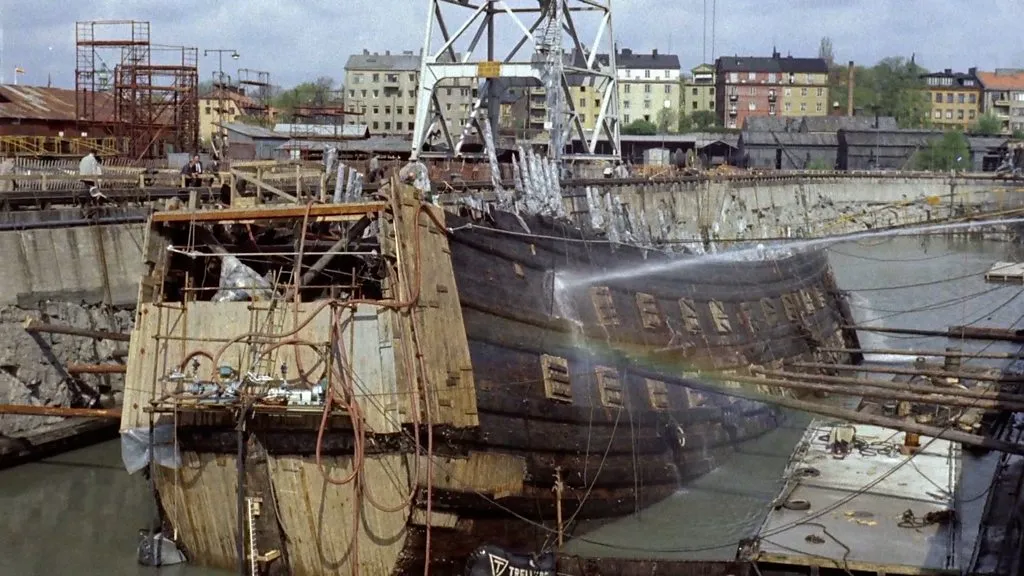
Not every shipwreck becomes a nearly complete museum centerpiece. Vasa did because environment, timing, and institutional commitment aligned unusually well.
Comparison matrix
| Factor | Typical wreck | Vasa |
|---|---|---|
| Preservation | Fragmentary remains | Extensive structural survival |
| Recovery context | Partial or dispersed | Coordinated national operation |
| Public access | Artifact-focused | Whole-ship narrative anchor |
[!IMPORTANT] Vasa is exceptional not only for survival, but for continuity from seabed to public interpretation.
Extended Reading Layer
Historical depth
The Vasa story rewards layered reading: technical evidence, political context, and human experience all interact. If you revisit the same gallery or timeline after learning one more detail, the interpretation usually changes.
Practical application
| Visitor goal | Suggested focus |
|---|---|
| Quick orientation | Prioritize one main narrative arc |
| Deeper study | Compare at least two explanatory frameworks |
| Group discussion | Use one claim-evidence-reasoning prompt |
Smart checklist
- Identify one confirmed fact and one debated interpretation.
- Note one design trade-off and one social consequence.
- Write a 3-line summary before leaving the gallery.
[!TIP] The strongest museum visits combine observation, questioning, and synthesis.
Optional reflection prompt
How does this part of the Vasa narrative connect to modern systems where ambition, communication, and risk must be balanced?
Σχετικά με τον συγγραφέα

Stockholm Maritime Editor
Αυτός ο οδηγός γράφτηκε για ταξιδιώτες που θέλουν κάτι περισσότερο από μια γρήγορη φωτογραφία. Το Μουσείο Vasa ανταμείβει την περιέργεια, και η κατανόηση του πλαισίου πριν την είσοδο μεταμορφώνει την επίσκεψη από ενδιαφέρουσα σε πραγματικά αξέχαστη.
Tags
Comments (0)
Loading comments...