

Plan a meaningful visit to Stockholm's Vasa Museum
The Vasa Museum is one of those rare places that feels cinematic and deeply human at the same time.
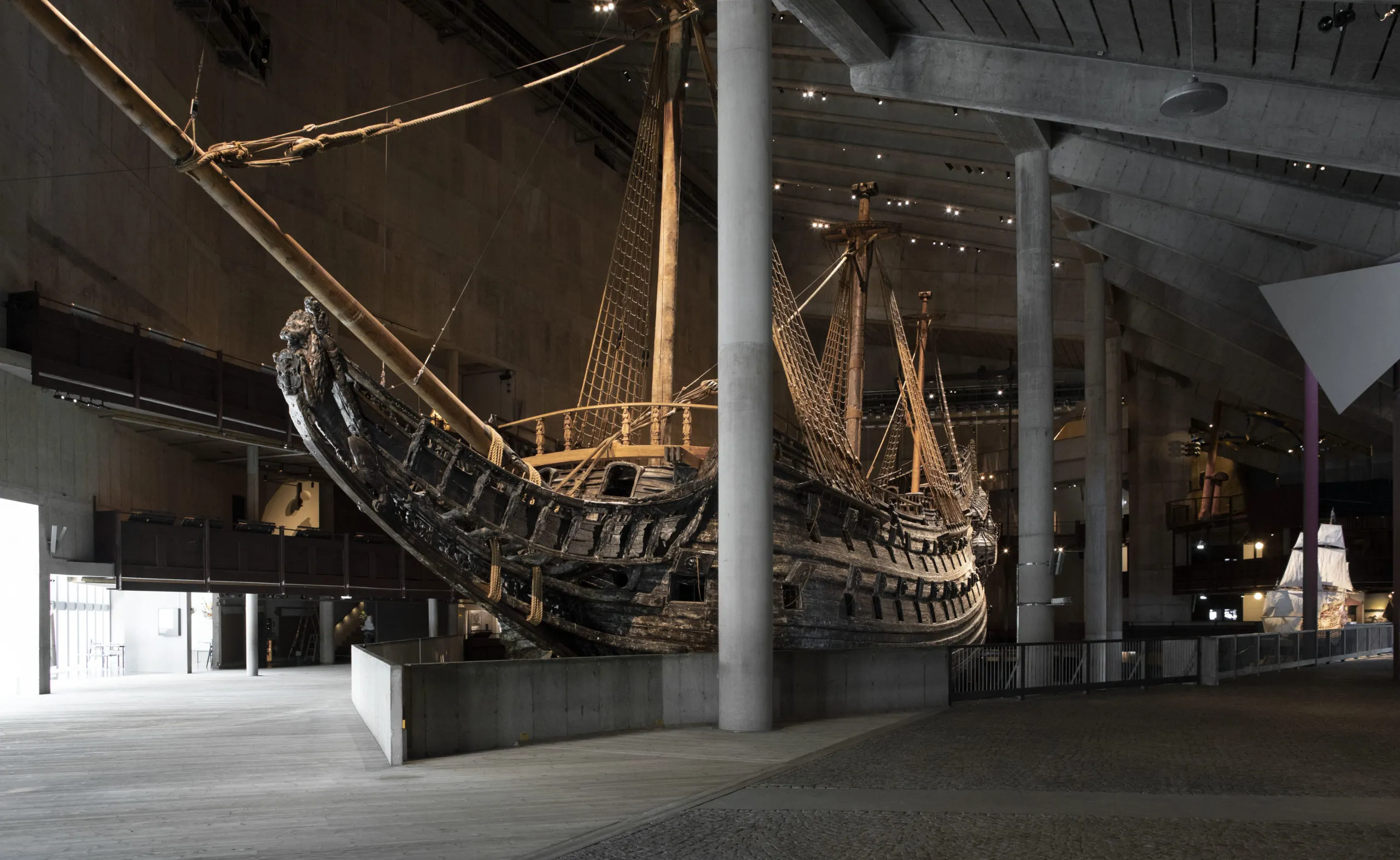
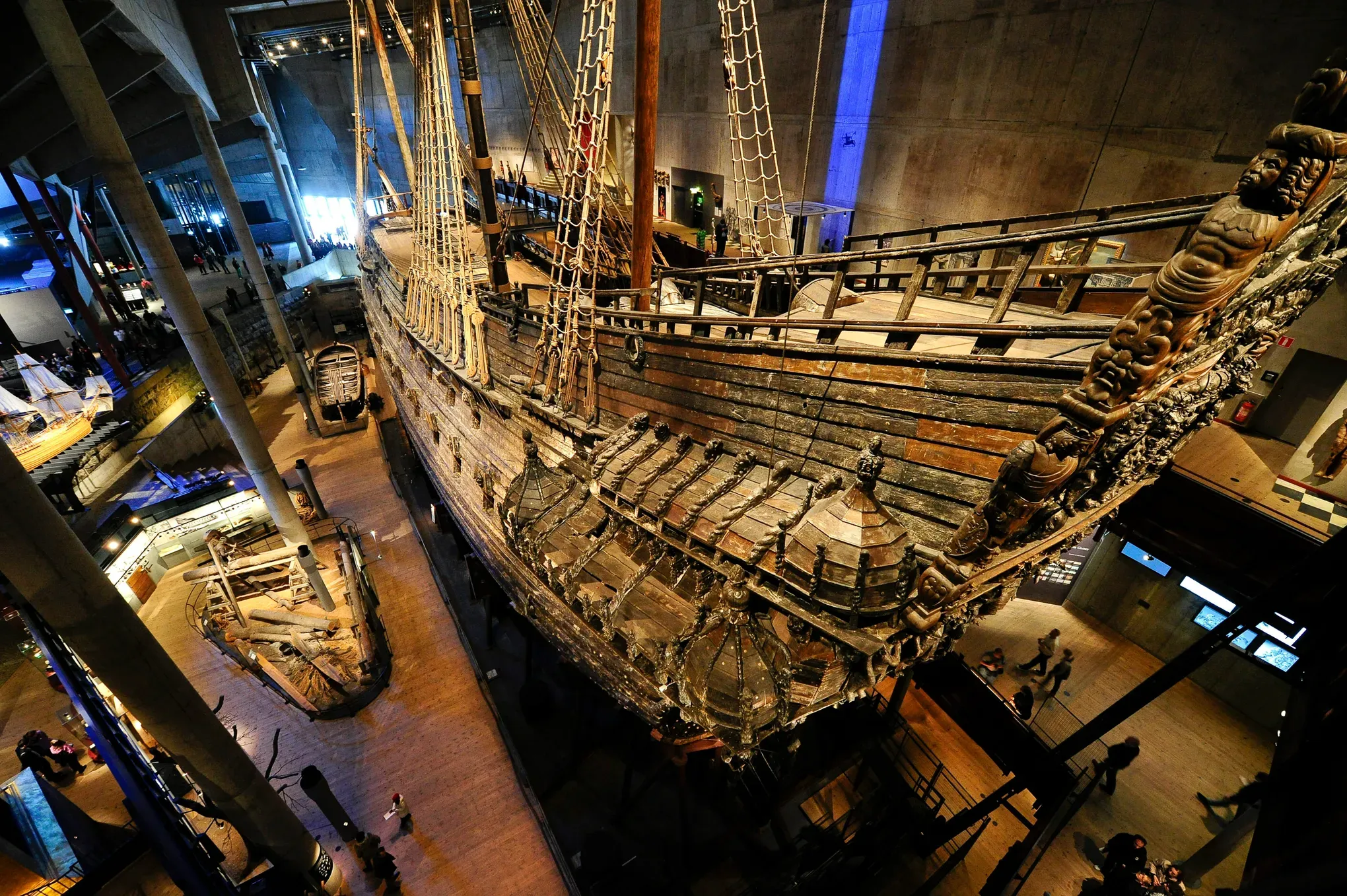
You stand in front of a giant royal warship that sank on its maiden voyage in 1628, then spent 333 years in the Baltic before being raised and brought back to life through decades of research and conservation.
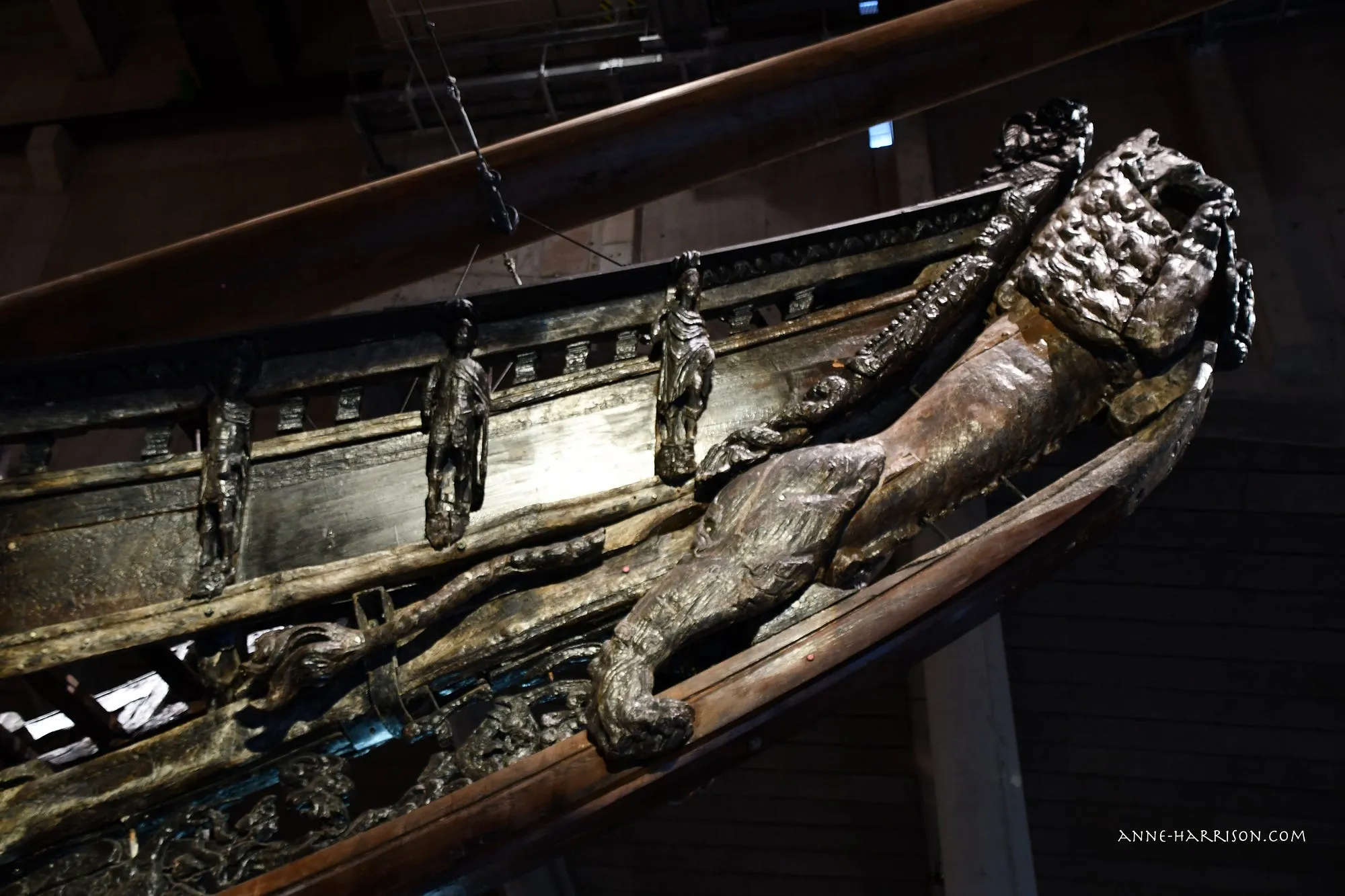
This guide helps you organize your visit with confidence while giving you the historical context that makes every carved figurehead and every weathered timber feel personal..
Vasa Museum Stockholm Visiting timetable
The museum is generally open year-round with seasonal variations in daily hours. Entry times, guided tours, and occasional event programs may change by month, so checking the latest schedule before you go is always smart.
Vasa Museum Stockholm Closing Days
The museum usually remains open through most of the year, though reduced hours or special closures can happen on selected public holidays and maintenance days.
Where is Located
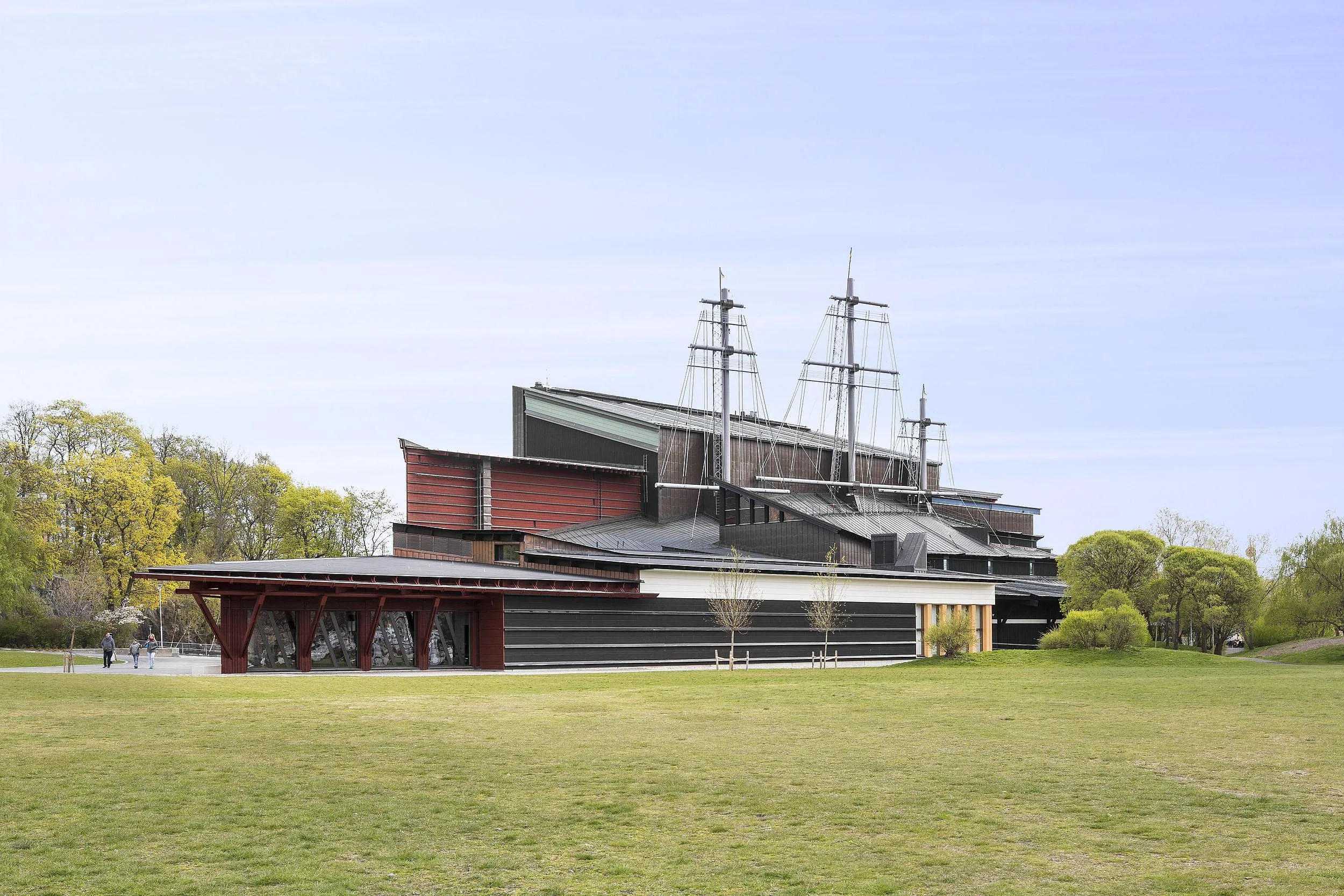
Galarsvarvsvagen 14, Djurgarden, Stockholm, Sweden
How to reach the Vasa Museum
The museum is located on Djurgarden, Stockholm's museum island, and it is easy to reach by tram, bus, ferry, taxi, bike, or a scenic walk from central neighborhoods.
By Train
If you arrive at Stockholm Central Station, take metro or a short local transfer toward central stops, then connect to tram line 7 toward Djurgarden. Get off at Nordiska museet/Vasamuseet and walk a few minutes to the entrance.
By Car
Driving is possible, but parking on Djurgarden can be limited during weekends and summer. If you come by car, allow extra time for parking and consider nearby paid parking areas, then continue on foot to the museum.
By Bus
Several city bus lines connect central Stockholm with Djurgarden. Depending on your location, public transport apps will show the quickest route to stops near the museum, often with a short final walk.
On Foot
Walking to Djurgarden is part of the experience. From central Stockholm, you can cross through beautiful waterfront paths and park areas, then arrive at the museum district where the Vasa Museum sits beside other major cultural attractions.
Why the Vasa Museum is a must-see in Stockholm
You do not just look at a ship here - you encounter a complete time capsule from 1628, with original wood, dramatic storytelling, and exhibitions that connect royal ambition, naval technology, daily life, and maritime archaeology.

Vasa Museum Stockholm
The Vasa ship itself
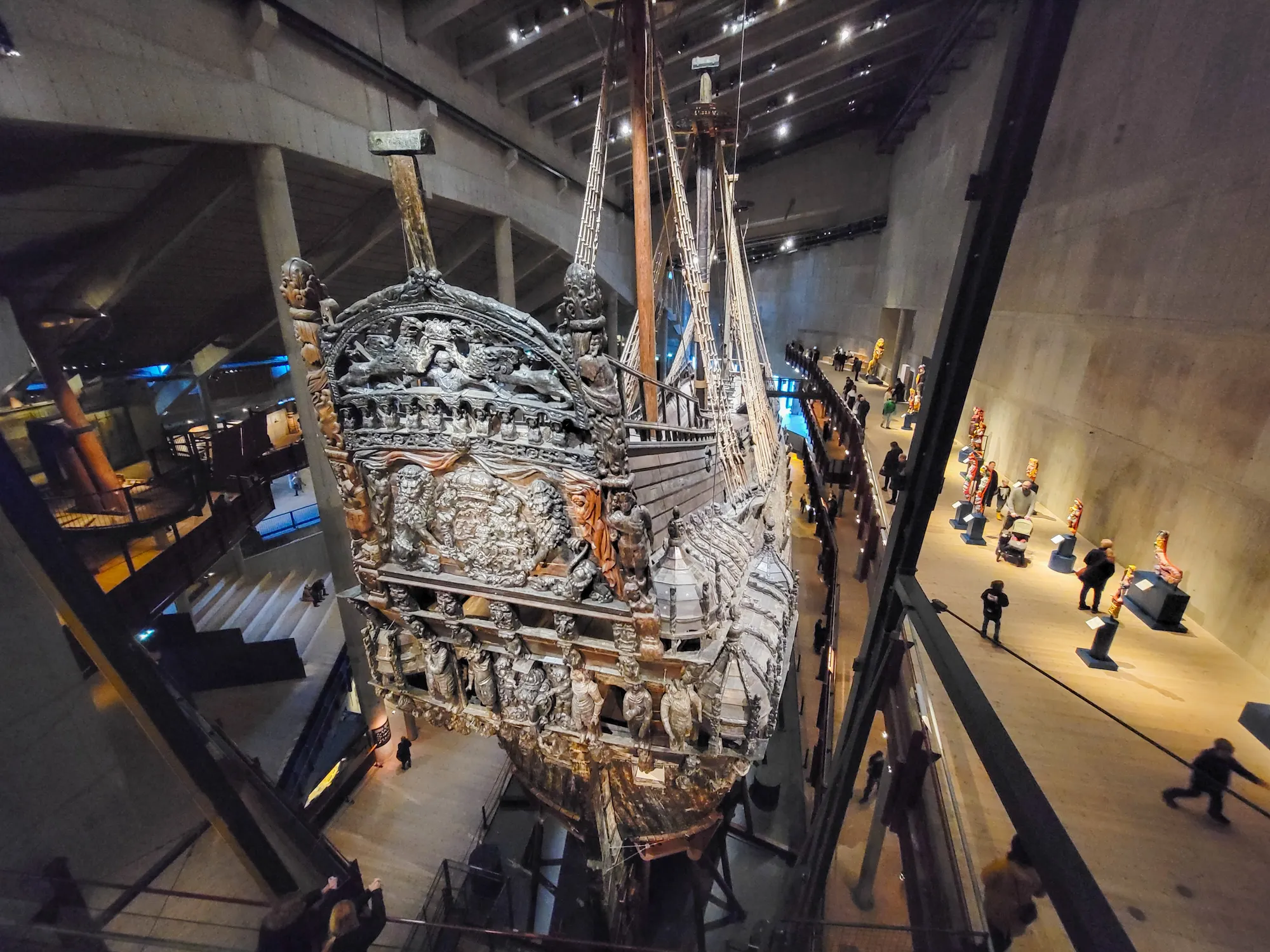
The moment you enter, the ship dominates the space with its dark oak hull and carved decorations. Viewing platforms at different heights let you appreciate its scale, artistry, and engineering from multiple perspectives.
Conservation and recovery story
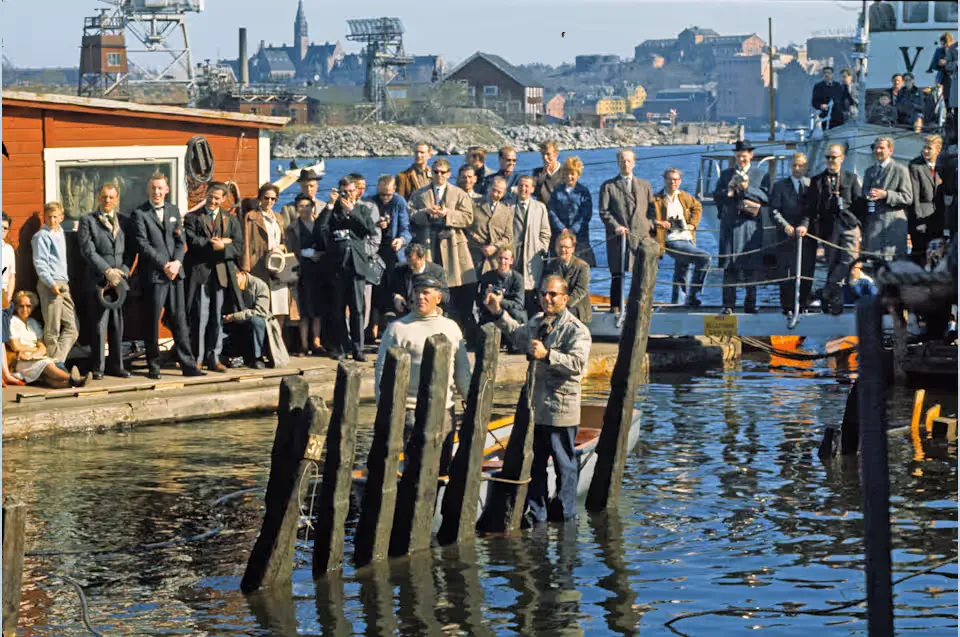
Learn how the ship was located, raised in 1961, and carefully preserved over decades. The museum explains the science with accessible detail, turning conservation into one of the most compelling parts of the visit.
People of the Vasa era
Beyond naval history, the galleries introduce the people behind the ship: sailors, builders, officers, and families shaped by Sweden's rise as a Baltic power, making the story deeply human as well as monumental.
Vasa Museum at a glance
Quick answers before your visit.
Book your Vasa Museum visit
Choose a time slot that fits your Stockholm itinerary and enjoy a calmer, better-paced museum experience.
Combine your visit with nearby Djurgarden attractions for a full cultural day by the waterfront.