Hidden Labor Around Vasa - Women, Families, and Naval Society
A social-history reading of Vasa's era focused on invisible labor and household economies.
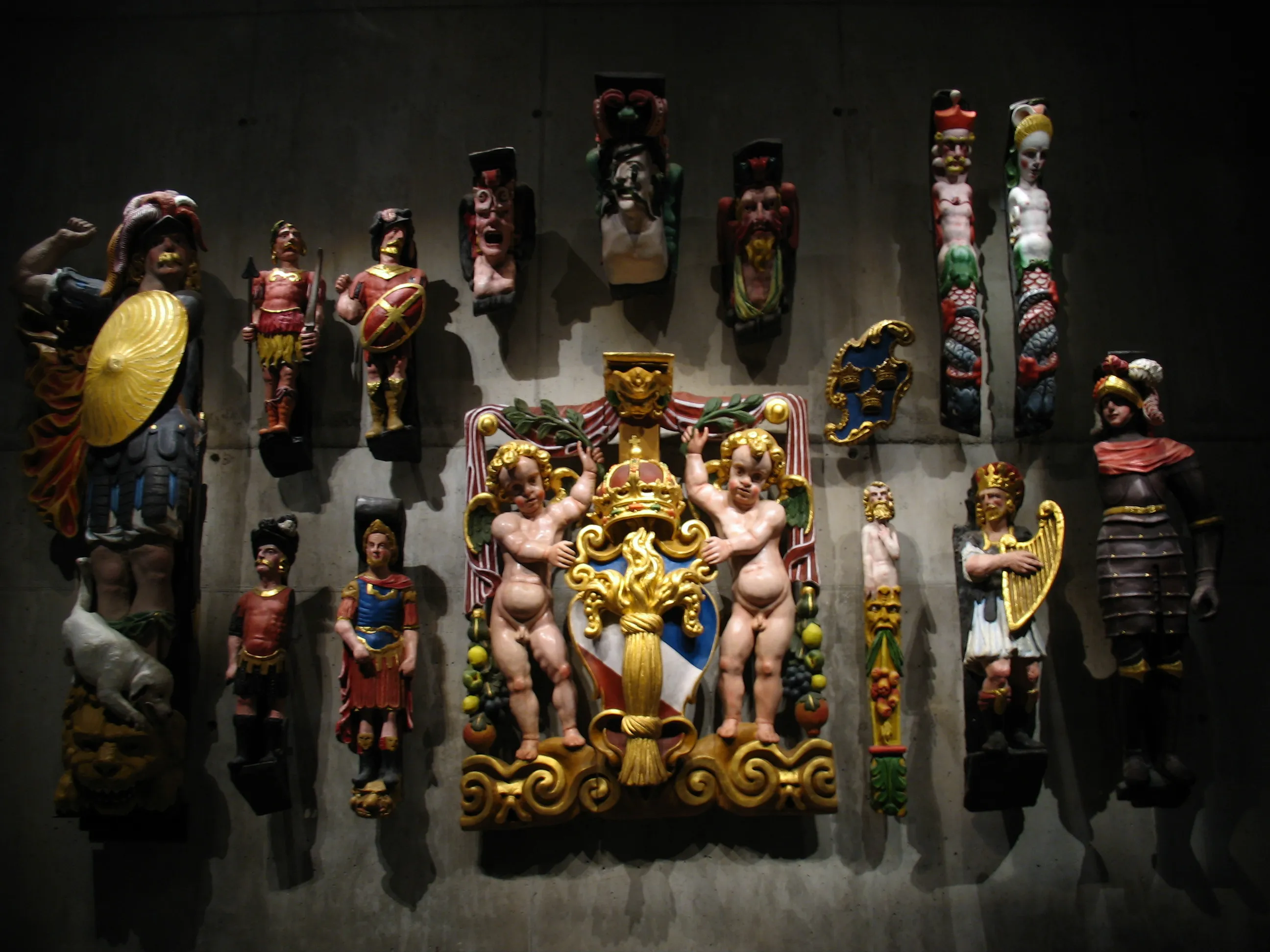
Warships are visible. Support systems are not. Around Vasa stood textile workers, food suppliers, clerks, families managing risk, and local economies absorbing military demand.
Hidden layers
- Clothing and sail maintenance.
- Provisioning networks.
- Contract paperwork and debt systems.
History expands when we ask who enabled the visible actors.
Gallery question
For each artifact, ask: what invisible labor had to happen before this object could exist, move, or be maintained?
Extended Reading Layer
Historical depth
The Vasa story rewards layered reading: technical evidence, political context, and human experience all interact. If you revisit the same gallery or timeline after learning one more detail, the interpretation usually changes.
Practical application
| Visitor goal | Suggested focus |
|---|---|
| Quick orientation | Prioritize one main narrative arc |
| Deeper study | Compare at least two explanatory frameworks |
| Group discussion | Use one claim-evidence-reasoning prompt |
Smart checklist
- Identify one confirmed fact and one debated interpretation.
- Note one design trade-off and one social consequence.
- Write a 3-line summary before leaving the gallery.
[!TIP] The strongest museum visits combine observation, questioning, and synthesis.
Optional reflection prompt
How does this part of the Vasa narrative connect to modern systems where ambition, communication, and risk must be balanced?
Про автора

Stockholm Maritime Editor
Цей гід створено для мандрівників, які хочуть більшого, ніж швидка зупинка для фото. Музей Васа винагороджує допитливість, а правильний контекст перед входом здатен перетворити просто цікавий візит на справді незабутній.
Tags
Comments (0)
Loading comments...